
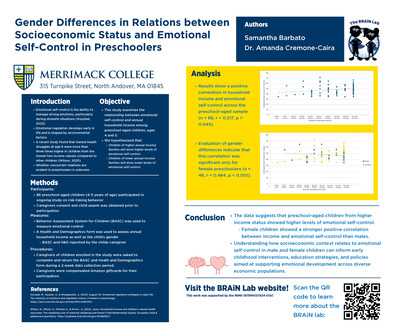
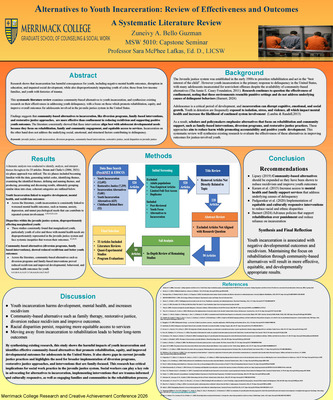
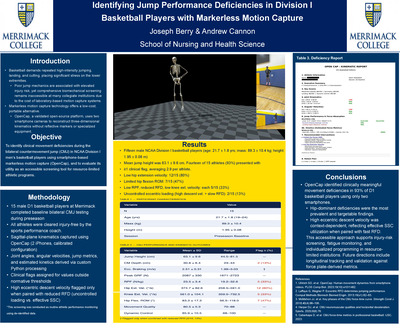
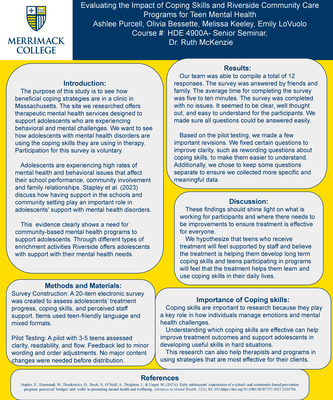




-
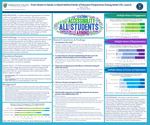
From Hearts to Hands: A Mixed Method Study of Educator Perspectives During Initial UDL Launch
Tessa Colten
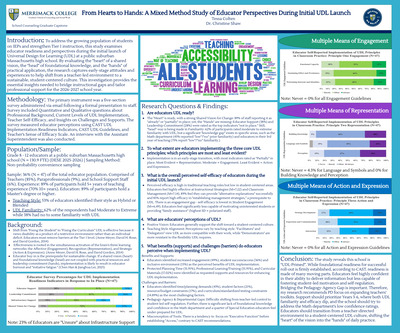
As classrooms become increasingly diverse, with the number of students with disabilities and varied learning needs on the rise, educators are challenged to move beyond traditional teaching practices. Grounded in neuroscience, learning science, and architecture, Universal Design for Learning (UDL) offers a flexible framework centering around engagement, representation, and action and expression to reduce barriers to learning and support all students. Using a mixed-methods design, this study explores educator readiness, perceptions, preexisting classroom application, factors influencing buy-in, and barriers/supports of UDL during its launch/initial rollout. This study examines early perceptions of UDL in a suburban Massachusetts public high school setting during its launch year. Data was collected through a survey of grade 8-12 educators, incorporating Likert-scale and open-ended questions aligned with UDL guidelines, implementation readiness indicators, and teacher self-efficacy measures, as well as an interview with the district's assistant superintendent overseeing UDL. Findings reveal that while buy-in is there with an 89% shared vision for change, implementation remains in an early transition stage with educators relying on Representation principle, but still developing Action and Expression. By capturing these early-stage perceptions and infrastructure gaps, this research identifies critical barriers - specifically time demands and departmental knowledge gaps - to inform future professional development and leadership support for sustainable UDL growth. This research also contributes to the limited literature on early-stage UDL Implementation.
-
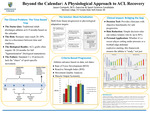
Beyond the Calendar: A Physiological Approach to ACL Recovery
Jason Compoh
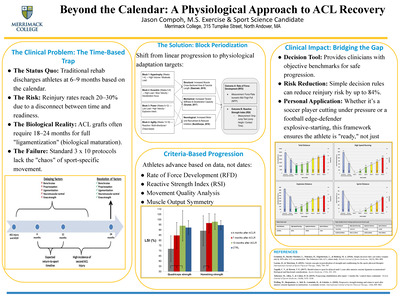
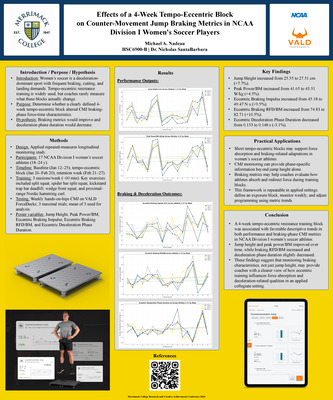
Traditional ACL rehab can often rely on time-based protocols, with athletes being discharged between the 6-9 month mark. Though, high reinjury rates (20-30%) suggest that there is a significant disconnect between chronological time and true physiological readiness. This is because full biological maturation of the ACL graft can take 18 to 24 months.
This project proposes a criteria-based framework utilizing block periodization. By organizing rehabilitation into physiological targets of hypertrophy, eccentric loading, power, and reactive agility, clinicians can ensure specific structural and neurological adaptations are met. Progression will dictated by objective data.
-
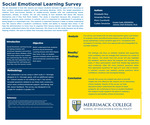
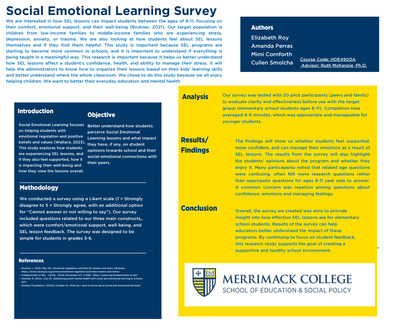
Evaluating the Impact of SEL Lessons on Comfort, Emotional Support, and Well-Being in Elementary Students
Mimi Cornforth, Amanda Perras, Elizabeth Roy, and Cullen Smolcha
This study we are presenting evaluates the impact of SEL lessons on elementary school students ages 8 to 11 focusing on their comfort and overall well being. SEL programs happen in school to support students emotional development. This study will use a survey consting of Likert scale to measure our main topics which are comfort/emotional support, well being and the student feedback. Comfort will focus on how safe and confident students feel during these lessons. Well being will focus on a students ability on how to manage their feelings and SEl lesson feedback where students give their perspectives on the lessons .Participants will include ages 3-5 who have participated in SEL lessons.
-
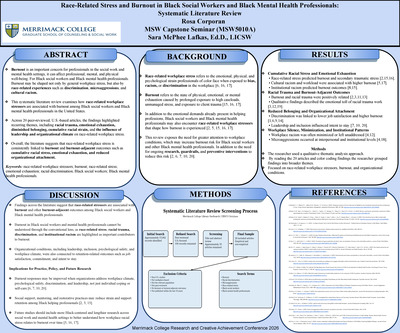
Race-Related Stress and Burnout in Black Social Workers and Black Mental Health Professionals: Systematic Literature Review
Rosa Naomi Corporan-Francis
This systematic literature review examines how race-related workplace stressors are associated with burnout among Black social workers and Black mental health professionals in the United States. The literature utilizes the umbrella term "racialized workplace stressors” to identify race-related workplace stressors. In this review, racialized workplace stressors are categorized as race-related workplace experiences such as racial discrimination, microaggressions, race-related stress, cultural racism, and race-based traumatic stress. The review focuses on peer-reviewed U.S.-based literature that explores the connection between these race-related stressors in connection to burnout for the target population ( Black social workers and other Black mental health professionals). Recurring themes in the final 20 chosen articles include racial trauma, emotional exhaustion, diminished belonging, cumulative racial strain, and the influence of leadership and organizational climate on workplace racial stress. According to the research, racialized workplace stressors are frequently linked to burnout and its byproducts, such as diminished organizational attachment, psychological distress, emotional exhaustion, and secondary traumatic stress. The findings suggest that racialize workplace stressors are commonly associated with burnout and burnout adjacent outcomes, including emotional exhaustion, secondary traumatic stress, psychological distress, and reduced organizational attachment. This review exposes the need for greater attention to workplace conditions, which may increase burnout risk for Black social workers and other Black mental health professionals. In addition to the need for ongoing research, policies, guardrails, and preventive interventions to reduce this risk.
-
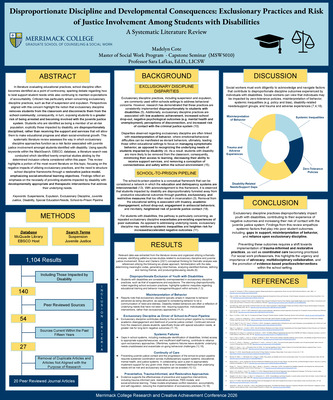
Disproportionate Discipline and Developmental Consequences: Exclusionary Practices and Risk of Justice Involvement Among Students with Disabilities
Madelyn Cote
In literature evaluating educational practices, school discipline often becomes identified as a point of controversy, sparking debate regarding how to best support student needs while also continuing to maintain expectations of accountability. Criticism has particularly arisen concerning exclusionary discipline practices, such as that of suspensions and expulsion. Perspectives aligned with this concern highlight the notion that exclusionary discipline removes students from the classroom and disconnects them from the school community; consequently, in turn, exposing students to a greater risk of being arrested and becoming involved with the juvenile justice system. Students who are identified as being a member of an at-risk population, explicitly those impacted by disability, are disproportionately disciplined, rather than receiving the support and services that will allow them to make educational progress and attain social-emotional growth. This systemic literature review assesses the way in which exclusionary discipline approaches function as a risk factor associated with juvenile justice involvement amongst students identified with disability. Using specific keywords within the MackSearch, EBSCO, database, a literature search was conducted which identified twenty empirical studies abiding by the determined inclusion criteria considered within this paper. This review highlights a portion of the most recent literature on this topic, focusing on the negative impacts of utilizing exclusionary practices, and the need to structure school discipline frameworks through a restorative justice model, emphasizing social-emotional learning objectives. Initial findings reflect an emphasis on the necessity of providing students impacted by disability with developmentally appropriate and therapeutic interventions that address their underlying needs.
-

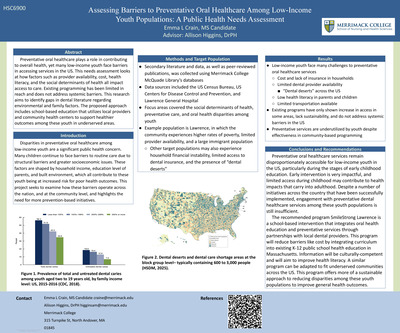
Assessing Barriers to Preventative Oral Healthcare Among Low-Income Youth Populations: A Public Health Needs Assessment
Emma Louise Crain
Preventative oral healthcare is a necessary component of individual health. However, low-income populations have continued to experience a number of barriers in accessing proper dental healthcare services. Across the US, individuals among underserved communities are not accessing dental healthcare, and, as a result, are more likely to develop serious dental conditions, such as periodontal disease. Preventative dental services, including seeing a general dentist regularly and receiving cleanings, play an important role in reducing the risk of these health conditions and negative health outcomes such as CVD or diabetes Further, disparities continue to increase across populations who fall below the federal poverty level, have limited access to providers, and face barriers due to socioeconomic factors. All of these factors disproportionately affect youth from these low-income populations, who are more likely to have risks associated with pain, quality of life, academic performance, and infections. These disparities highlight the importance of preventative-based initiatives that are aimed at reducing the barriers that youth may face when accessing dental care.
This capstone project intends to investigate the barriers related to accessing oral healthcare preventative services among low-income youth populations through a needs assessment. Through this, existing research and peer-reviewed literature will identify gaps in access to care, and will highlight the best strategies possible to improve health outcomes. The work in this project is significant because improving preventative oral healthcare services among youth in low-income populations will help to reduce disparities.
-

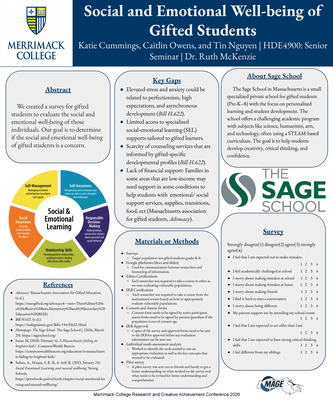
Social and Emotional Wellbeing of Gifted Students
Katie Cummings, Tin Nguyen, and Caitlyn Owens
We are surveying gifted students at the sage school to evaluate the social and emotional wellbeing of those individuals.
-
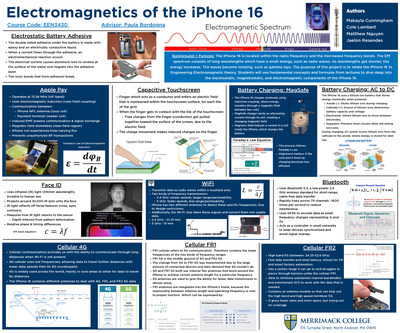
Electromagnetics of the iPhone 16
Makayla Cunningham, Cole Lambert, Matthew Nguyen, and Jaelon Resendes
Group presentation on the electromagnetics of the iPhone 16: Topics include electrostatics, magnetostatics, and electromagnetics. Students dive deep into looking at the adhesive battery, AC/DC charging, touchscreen, magnetic charging, and multiple antennas (cellular data and transmisison, networking, wifi, tap to pay, bluetooth, and GPS). Students will explore how the iPhone works and how it relates to electromagnetics and foundational formulas learned in class.
-
Student-Built Laboratories in Fluids and Mechanics Education
Audra Daniels
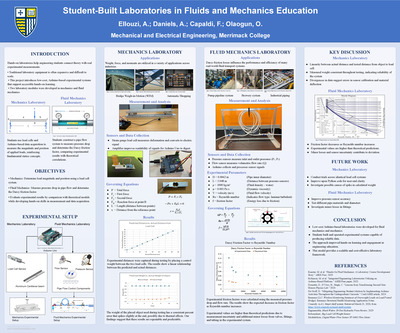
Hands-on laboratory experiences are essential for developing conceptual understanding in engineering education. Yet, traditional laboratory infrastructure in fluid mechanics and engineering mechanics is often expensive, space-intensive, and difficult to scale. These constraints can limit student access and reduce opportunities for meaningful experimentation. This poster presents a set of low-cost, student-constructed laboratory modules that leverage Arduino-based instrumentation to deliver robust, scalable, and engaging experiential learning in core undergraduate engineering courses. Two complementary laboratory experiences were developed and implemented. In the fluid mechanics module, students design and construct a closed-loop flow apparatus using an Arduino microcontroller, pressure sensors, a flow sensor, tubing, and control valves. Students experimentally determine the Darcy friction factor and compare measured results to established theoretical correlations. The integration of diverse modeling frameworks enables students to quantify the effects of sensor resolution and measurement uncertainty, facilitating a deeper synthesis of theoretical flow principles and real-world system losses. A second laboratory module focuses on engineering mechanics and static equilibrium; key concepts covered in an undergraduate Mechanics I course. Students construct a load measurement platform utilizing two load cells, which are integrated with an Arduino-based data acquisition system. Through equilibrium analysis, students determine both the magnitude and location of an applied load. This experiment reinforces core statics principles while introducing students to sensor calibration, signal conditioning, data acquisition, and experimental validation. Across both modules, students actively design, assemble, calibrate, and validate their own experimental systems. This approach shifts the laboratory experience from procedural execution to authentic engineering practice, promoting a deeper conceptual understanding, increased engagement, and a stronger sense of ownership over the learning process. The modular design, low component cost, and adaptable structure of these laboratories make them readily transferable to other institutions and courses. The results demonstrate that student-built, Arduino-based laboratories can maintain meaningful experimental depth while significantly expanding access to high-impact hands-on learning in engineering education.
-
Fatigue and Sleep Dysregulation in Polycystic Ovary Syndrome: A Survey-Based Investigation
Brenda da Silva
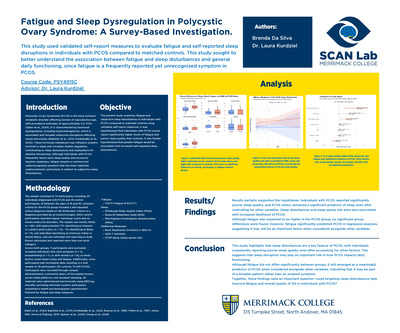
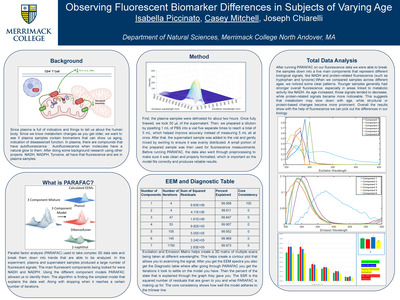
Polycystic Ovary Syndrome (PCOS) is the most common metabolic disorder affecting women of reproductive age. A recent meta-analysis estimated a global prevalence of approximately 9.2%, with prevalence rising to 11.5% when using the Rotterdam criteria (Salari et al., 2024) The Rotterdam criteria requires the presence of at least two of the following: irregular ovulation, hyperandrogenism, or polycystic ovaries visible via ultrasound (The Rotterdam ESHRE/ASRM-sponsored PCOS consensus workshop group, 2004). Although many individuals that suffer with PCOS report persistent fatigue and sleep problems, these symptoms are not currently recognized as diagnostic criteria (Teede et al., 2018). Growing evidence indicates that women with PCOS experience a higher prevalence of sleep disorders, such as obstructive sleep apnea, and reduced sleep efficiency, compared to the general population (Wang et al., 2022). Additionally, recent research suggests that altered melatonin production may contribute to fatigue and circadian rhythm disruption in this population (Evans et al., 2023). The present study aims to investigate whether people with PCOS experience increased fatigue and whether this fatigue is associated with self-reported sleep disturbances.
-
Development of a “Greener” Synthesis of a Metal-Organic Framework
Grace DiBlasio
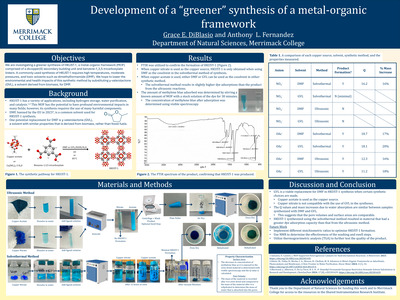
Metal-organic frameworks (MOFs) are the focus of an increasingly growing area of research. MOFs consist of a metal ion or secondary building unit (SBU) and ligands that form porous materials. The volume and shape of the pores can be varied by changing the size and structure of the ligands, allowing for a variety of applications ranging from water purification to drug delivery. Our research investigates a greener synthesis of HKUST-1, a MOF comprised of a dicopper(II) SBU and benzene-1,3,5-tricarboxylate linkers. A commonly used synthesis of HKUST-1 requires high temperatures, high pressures, and toxic solvents such as dimethylformamide (DMF). Previous research has found that this synthesis can be promoted by ultrasonication, which significantly decreases the amount of energy required. We have further lowered the environmental and health impacts of this synthetic method by substituting ?-valerolactone (GVL), a solvent derived from biomass, for DMF. We are examining the impact of this “greener” synthetic method on the properties of the MOF, including its pore size and surface area which are related to its ability to absorb water from the atmosphere and adsorb dyes from aqueous solutions. Our experimental results from our attempts to optimize this synthetic method will be presented.
-
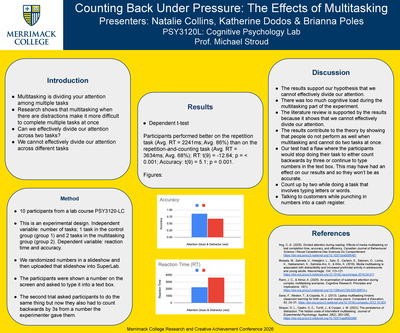
Counting Back Under Pressure: The Effects of Multitasking
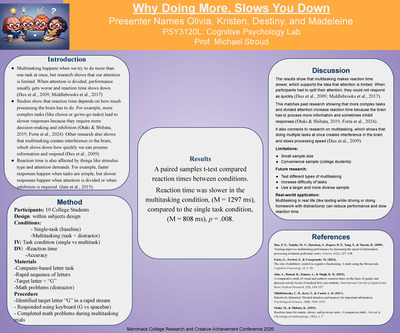
Katherine Dodos, Brianna Poles, and Natalie Collins
Random people had to count back from a certain number while doing another task that included writing down a number that they saw.
-
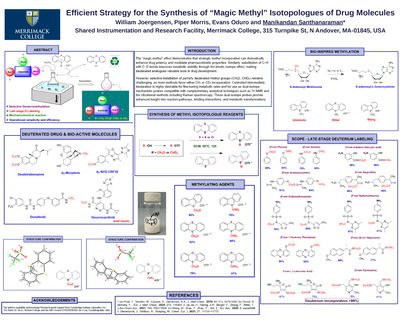
Synthesis of Novel Enantioselective Phase-Transfer Catalysts
Abigail Dunn
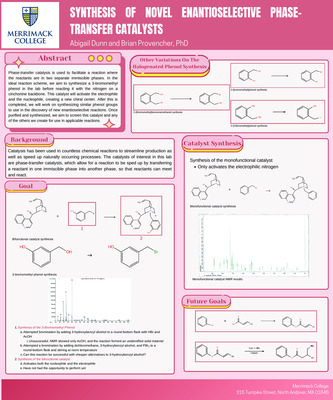
Phase transfer catalysis is used to facilitate a reaction where the reactants are in two separate immiscible phases. In the ideal reaction scheme, we aim to synthesize a 3-bromomethyl phenol in the lab before reacting it with the nitrogen on a cinchonine backbone. This catalyst will activate the electrophile and the nucleophile, creating a new chiral center. After this is completed, we will work on synthesizing similar phenol groups to use in the discovery of new enantioselective reactions. Once purified and synthesized, we aim to screen this catalyst and any of the others we create for use in applicable reactions.
-
Why Do Individuals with Mental Health Disorders Not Exercise Despite Known Benefits?
Scott Elwell
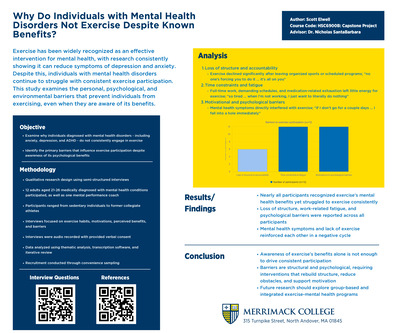
Exercise has been widely recognized as an effective intervention for reducing symptoms of depression, anxiety, and other mental health disorders, yet many individuals do not consistently use physical activity as a treatment strategy. This study conducted semi-structured interviews with twelve adults aged 21-26 diagnosed medically with mental health conditions as well as one mental performance coach to explore the barriers behind this gap. Thematic analysis revealed three primary barriers, with two of three being reported by all twelve participants. Findings suggest that awareness of exercise benefits alone is insufficient, interventions may be necessary to support consistent physical activity.
-
Shapes and Colors
Michael Esdale, Isabel Zambrano, and Xioely Sanchez
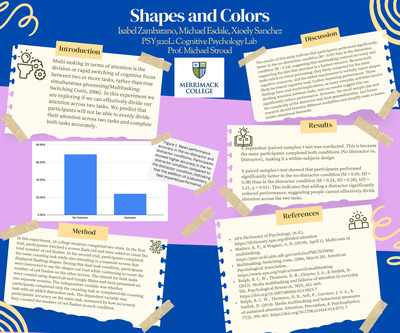
We are creating a multi-tasking experiment in which participants are shown a specific number of a flashing color and have to determine how many of that color was shown. While also being shown different groups of hexagons and a single pentagon being placed in a different location every round and being able to locate where it was placed. Participants will participate in two rounds, one with one stimulus(just the flashing color), and one with both stimuli.
-
Creating Space to Regulate: Teachers’ Perceptions of Calm Corners in K-5 Classrooms
Tatiana Estrada
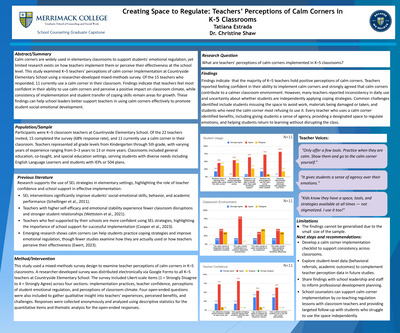
This capstone research study examines teachers’ perceptions of calm corners in a K–5 elementary school setting. Calm corners are classroom-based spaces designed to support students’ self-regulation, emotional awareness, and overall social-emotional development. Although calm corners are widely used in elementary classrooms, there is limited research exploring how teachers perceive their effectiveness and implementation in practice. All classrooms in the K–5 setting have implemented some form of a calm corner or a similar self-regulation system. However, no formal data had been collected to understand teachers’ perspectives on these practices. To address this a survey was distributed to K–5 teachers. The survey instrument was adapted from existing research and tailored to the specific context of the school. It examined teachers’ perceptions of calm corners, their comfort and confidence in using them, the perceived effectiveness of calm corners for supporting student self-regulation, and the overall impact of calm corners on the classroom environment. Findings from this study aim to provide insight into how teachers experience and evaluate calm corners as a social-emotional support strategy. The results may inform future implementation practices and contribute to a better understanding of how calm corners can be used effectively to support students’ emotional and behavioral needs in elementary classrooms.
-
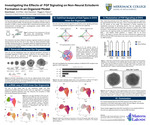
Investigating the Effects of FGF Signaling on Non-Neural Ectoderm Formation in an Organoid Model
Kiara Evans
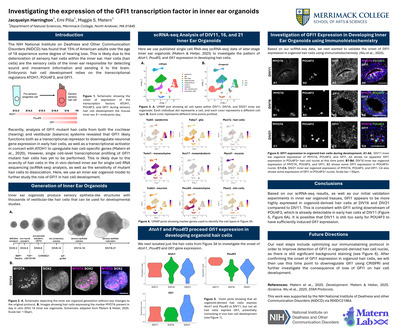
During embryogenesis, placodal-derived sensory organs originate from the non-neural ectoderm (NNE). The decision of definitive ectoderm (DE) to transition to NNE or neural ectoderm (NE) is determined by exposure to the developmental morphogen bone morphogenetic protein (BMP), which emanates from the neural plate. This interaction has been utilized to develop organoid models for placodal-derived tissues like the inner ear in vitro. Here, we utilize published single-cell RNA-sequencing data to investigate additional signaling pathways that may influence DE to NNE formation in 3 days in vitro (DIV) mouse stem cell-derived inner ear organoids. Using the CellChat algorithm, we identified fibroblast growth factor (FGF) signaling as a potential candidate for improving NNE formation. During development, FGF signaling induces the transition of NNE to pre-placodal ectoderm. Additionally, established protocols for generating human inner ear organoids utilize combined BMP and low-level FGF exposure to induce DE to NNE formation. To test whether low-level FGF can improve NNE formation in our mouse inner ear organoid model, we treated DIV3 organoids with 10ng/mL BMP +/- 4ng/mL FGF for 24 hours. RNA was then collected from organoids and performed qPCR for NE and NNE marker genes to assess the efficiency of NE vs. NNE formation. Our results showed that low-level FGF exposure had no effect on expression of the NNE marker genes Gata3, Nes and Tfap2a, and variably increased the expression of the NE gene Pou3f1. These results suggest that early FGF modulation is not needed in the inner ear organoid protocol to induce NNE formation.
-

Associations Between Screen Exposure and Externalizing Behaviors in Preschool-Aged Children
Kylee Fears
Externalizing behaviors (EB) refer to outward actions in which children negatively interact with their environment (Hinshaw, 1987). Research on young children’s screen exposure (SE) and EB suggest a complex and potentially bidirectional relationship (Neville at al., 2021).
SE and EB in preschool-aged children remain understudied and are frequently examined as secondary outcomes, leading to methodological variability and inconsistent findings(Descarpentry et al., 2023; Eirich, 2021; Eirich et al., 2022; Gillioz et al., 2025; Griffith et al., 2024; & Neville et al., 2021). The present study addresses this gap.
SE was measured using the caregiver-reported 7-in-7 Questionnaire, assessing weekday, weekend, and average daily screen use. EB were measured using caregiver ratings on the Behavioral Assessment System for Children (BASC-3) and the Vineland (Kamphaus, 2020; Sparrow, Cicchetti, & Saulnier, 2016).
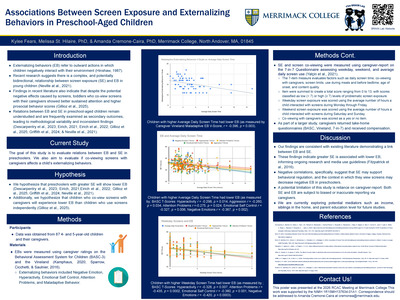
To date, 87 preschool 4-and-5-year-old participants have provided data. Preliminary analyses indicate weekday screen use and average daily screen time each significantly, negatively correlated with caregiver-report of child negative emotion, hyperactivity, attention problems, and emotional self control (rs=-0.27, adj ps =0.03). Average daily screentime was also negatively correlated with aggression (r=-0.26, adj p=0.04). Weekday, weekend and average daily screentime were also significantly, negatively correlated with caregiver-report of maladaptive behaviors, more broadly (rs=-0.36, adj ps=0.003).
These findings indicate greater SE is associated with lower EB, informing ongoing research and media use guidelines (Fitzpatrick et al., 2016). Results suggest SE may support behavioral regulation and the context in which they view screens may decrease negative EB in preschoolers.
-
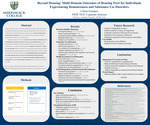
Beyond Housing: Multi-Domain Outcomes of Housing First for Individuals Experiencing Homelessness and Substance Use Disorders
Lillian Flanders
Housing and substance use often co-occur for many individuals in the homeless population. These individuals often face barriers in finding housing due to their substance use disorder (Hall et al, 2020). The Housing First model began in 1992, with the belief that housing is a human right and is an evidence-based approach that prioritizes housing for individuals, with a client-centered focus, to ensure housing stability and prevent chronic homelessness (Roebuck et al., 2024; Szeintuch, 2011).
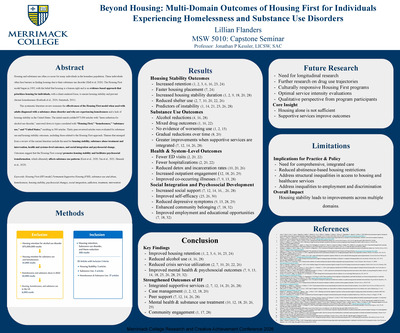
This systematic literature reviews the effectiveness of the Housing First model for adults experiencing homelessness with substance use disorder, with attention to housing stability and substance outcomes in the United States. Thirty peer-reviewed articles were evaluated for substance use and housing stability outcomes, including those related to the Housing First approach. Themes that emerged across this literature review are: housing stability, substance use, health and system-level outcomes, and social integration and psychosocial changes. Outcomes suggest that Housing First promotes housing stability and facilitates psychosocial transformation that affects substance use patterns (Kirst et al., 2020; Tan et al., 2021; Slesnick et al., 2023).
-
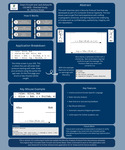
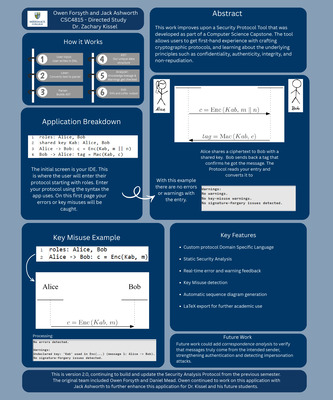
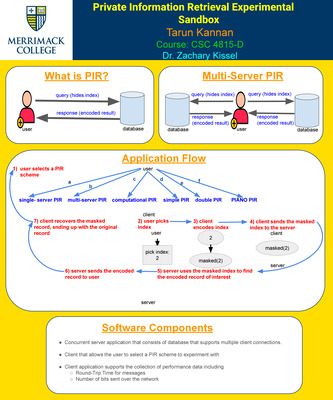
Security Protocol Analysis Tool
Owen Forsyth and Jack Ashworth
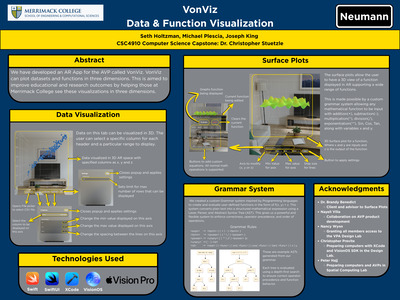
This project is an extension of a CS capstone project where a secure protocol analysis tool, originally created by Owen Forsyth and Daniel Mead, consisting of a large number of enhancements in usability and analysis types.
-
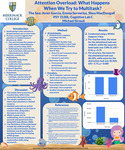
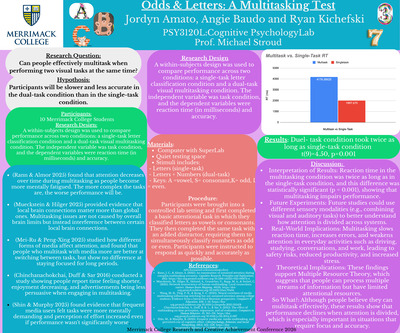
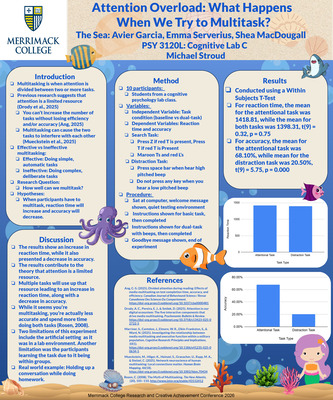
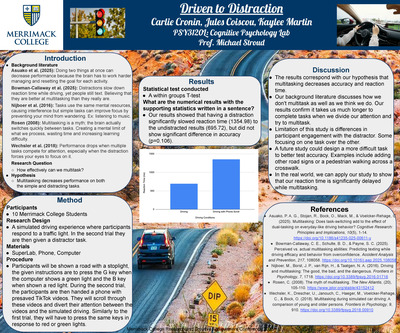
Attention Overload: What Happens When We Try to Multitask?
Avier Garcia, Shea MacDougall, and Emma Serverius
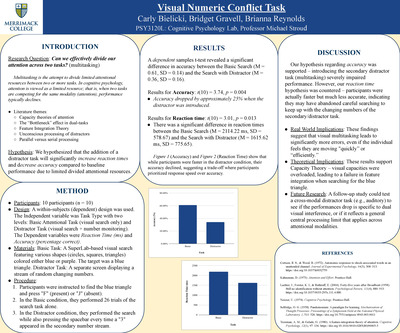
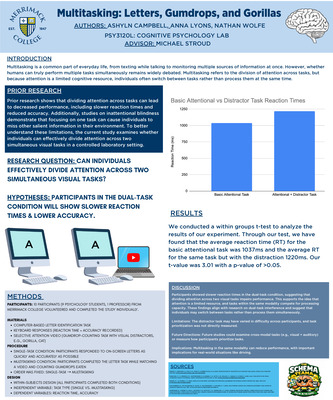
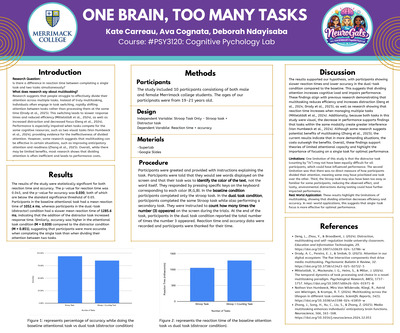
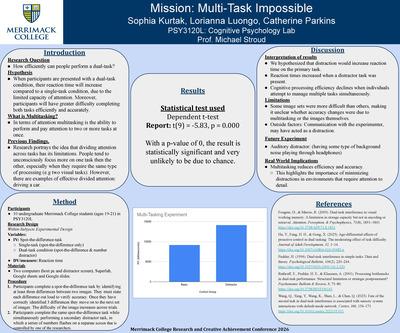
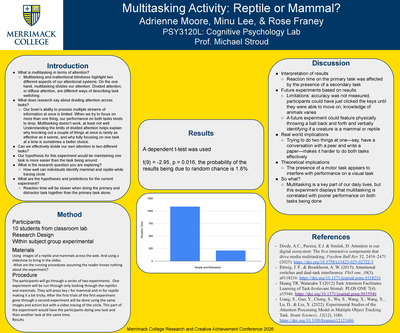
The purpose of this study was to examine how well individuals can divide their attention between two tasks and to test the limits of multitasking. Based on previous research, attention is considered a limited resource, which means that multitasking can result in a decline in performance. Therefore, to further investigate this, our group designed an experiment in which we compare performance on a single task condition vs a dual-task condition. In the baseline condition, participants completed a visual search task in which they identified whether a red “T” was present among distractor letters (green “T’s” and red “L’s”). Reaction time and accuracy were recorded as measures of performance. In the dual-task condition, participants completed the same visual search task while also responding to an auditory distractor task. Specifically, they were instructed to press the spacebar when they heard a high-pitched tone and ignore low-pitched tones. We predicted that participants in the dual-task condition would show slower reaction times and lower accuracy compared to the baseline condition due to divided attention. By comparing these conditions, we aimed to determine whether multitasking leads to measurable performance costs. The findings of this study contribute to our understanding of attentional limits and have real-world implications for everyday situations such as driving while using a phone. Overall, this experiment highlights the challenges of multitasking and supports the idea that attention cannot be effectively divided without a decrease in performance.
-

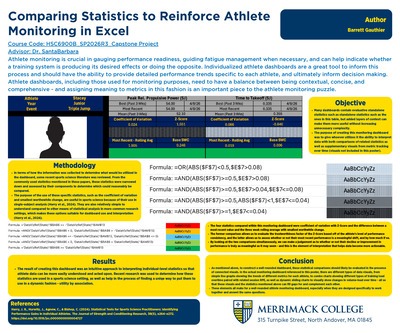
Comparing Statistics to Reinforce Athlete Monitoring in Excel
Barrett Gauthier
I will be making a poster on the step by step process of constructing an athlete dashboard, specifically for athlete monitoring. This will include metric selection logic, statistics selection logic, and dashboard construction through Microsoft Excel.
-
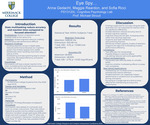
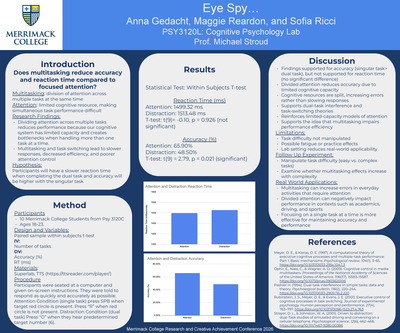
Eye Spy…
Anna Gedacht, Maggie Reardon, and Sofia Ricci
Our project consists of visual distractions and a target shape. Participants are expected to find the visual target shape among the visual distractions. Reaction time and accuracy is being tested.
-
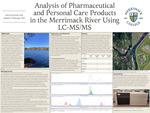
Analysis of Pharmaceutical and Personal Care Products in the Merrimack River Using LC-MS/MS
Julia Grossman
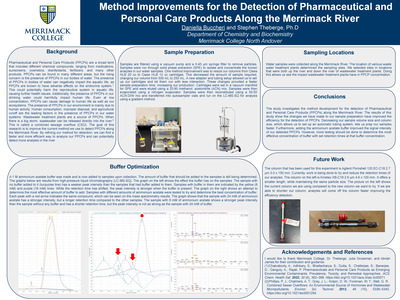
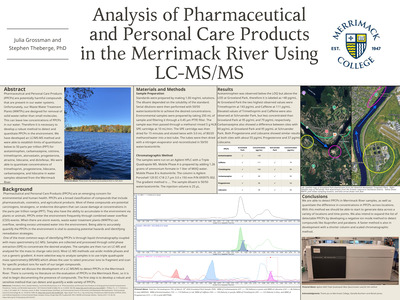
Pharmaceutical and Personal Care Products (PPCPs) are potentially harmful compounds that are present in our water systems. Unfortunately, our Waste Water Treatment Plants (WWTPs) are designed for removal of solid waste rather than small molecules. This leaves low concentrations of PPCPs in our water. Therefore it is necessary to develop a robust method to detect and quantitate PPCPs in the environment. We have developed an LC/MS-MS method and were able to establish limits of quantitation below to 50 parts per trillion (PPT) for acetaminophen, cotinine, trimethoprim, atorvastatin, progesterone, atrazine, lidocaine, and diclofenac. We are going to expand the PPCPs we analyze including trying to detect a wider range of functional groups.
-
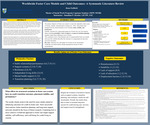
Worldwide Foster Care Models and Child Outcomes: A Systematic Literature Review
Jesse Gullotti
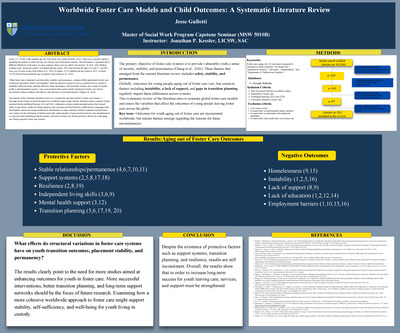
Youth aging out of the United States foster care system face disproportionately high risks of homelessness, unemployment, and mental health challenges, often due to placement instability and the absence of long-term supportive relationships. While the system prioritizes child safety and legal permanency, outcomes for adolescents remain inconsistent, highlighting the need to explore alternative models of care that emphasize stability and relational support.
This systematic literature review examines key factors associated with adolescent outcomes in foster care, including relational permanence, placement stability, community inclusion, and transition support. It also explores how these factors align with the model implemented by SOS Children’s Villages, with a specific focus on its application in Latvia. The SOS model emphasizes family-like care, consistent caregiving relationships, preservation of sibling connections, and integration into local communities, along with continued support into adulthood.
Findings across the literature suggest that youth experience more positive outcomes when they have stable placements, enduring adult relationships, continuity in education and community environments, and structured transition supports. These protective factors closely align with core elements of the SOS model. While this review does not establish causal effectiveness, it identifies conceptual similarities between evidence-based protective factors and SOS-informed practices.
The findings suggest that incorporating principles such as relational permanence, placement stability, and extended support may offer valuable direction for strengthening foster care systems in the United States and improving long-term outcomes for adolescents transitioning out of care.
Printing is not supported at the primary Gallery Thumbnail page. Please first navigate to a specific Image before printing.