Files
Download Full Text (682 KB)
Description
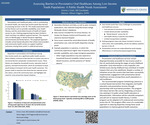
Preventative oral healthcare is a necessary component of individual health. However, low-income populations have continued to experience a number of barriers in accessing proper dental healthcare services. Across the US, individuals among underserved communities are not accessing dental healthcare, and, as a result, are more likely to develop serious dental conditions, such as periodontal disease. Preventative dental services, including seeing a general dentist regularly and receiving cleanings, play an important role in reducing the risk of these health conditions and negative health outcomes such as CVD or diabetes Further, disparities continue to increase across populations who fall below the federal poverty level, have limited access to providers, and face barriers due to socioeconomic factors. All of these factors disproportionately affect youth from these low-income populations, who are more likely to have risks associated with pain, quality of life, academic performance, and infections. These disparities highlight the importance of preventative-based initiatives that are aimed at reducing the barriers that youth may face when accessing dental care.
This capstone project intends to investigate the barriers related to accessing oral healthcare preventative services among low-income youth populations through a needs assessment. Through this, existing research and peer-reviewed literature will identify gaps in access to care, and will highlight the best strategies possible to improve health outcomes. The work in this project is significant because improving preventative oral healthcare services among youth in low-income populations will help to reduce disparities.
Publication Date
4-30-2026
Keywords
Access, prevention
Recommended Citation
Crain, Emma Louise, "Assessing Barriers to Preventative Oral Healthcare Among Low-Income Youth Populations: A Public Health Needs Assessment" (2026). RCAC 2026 Posters. 8.
https://scholarworks.merrimack.edu/rcac_2026_posters/8